How to Remove Mold from Carpet: A Practical Guide for Homeowners
Finding mold in your carpet is one of those moments that stops you cold. Maybe you caught a whiff of something musty when you walked into the basement, or you moved a piece of furniture and found a dark patch spreading underneath. Your first instinct might be to grab a scrub brush and some bleach, but that approach often makes things worse. Mold in carpet is tricky because the fibers trap moisture and the backing acts like a sponge. If you want to remove mold from carpet effectively, you need a strategy that tackles both the surface growth and the moisture issues that let it thrive.
I have worked with carpet mold in homes of all ages, from brand-new builds with construction moisture to hundred-year-old houses with damp crawl spaces. Over time, I learned that quick fixes rarely stick. The real solution involves understanding what kind of mold you are dealing with, how deep it has penetrated, and whether the carpet can even be saved. In many cases, you can clean it yourself if you catch it early. But when hidden mold has been growing for weeks or months, professional mold removal might be the only safe route.
Why Carpet Mold Is a Different Problem
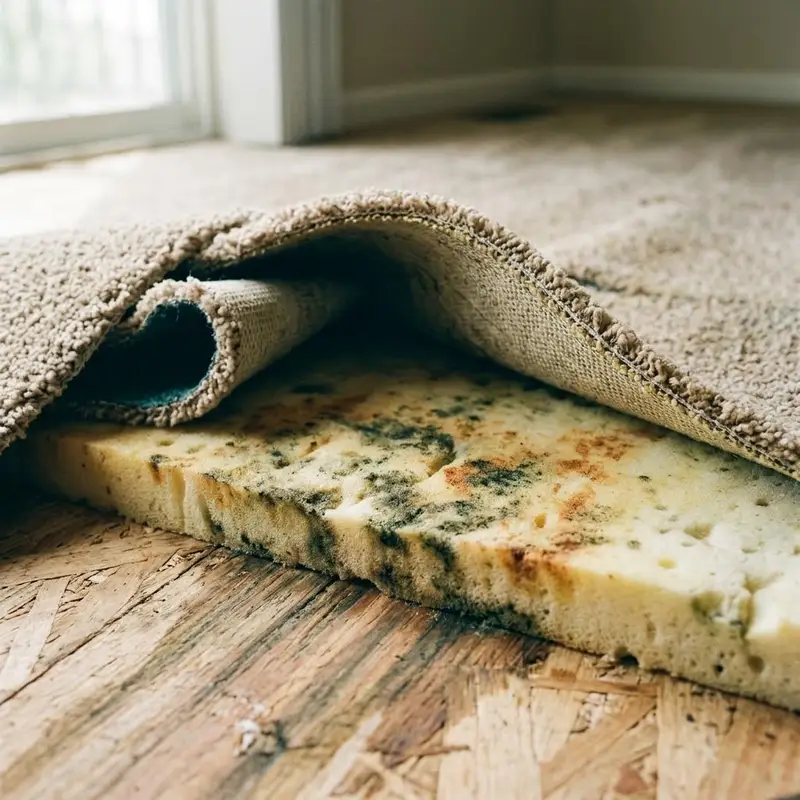
Carpet is made of layers. The top fibers are usually nylon, polyester, or wool, and underneath there is a backing material, often latex or polyurethane, glued to a secondary layer. When moisture gets trapped between the carpet and the floor, it creates a perfect environment for mold spores to settle and grow. Unlike mold on a tile wall, which you can wipe away, mold in carpet sinks into the padding and the subfloor. That is why simply spraying the top of the carpet never works for long. The mold just regrows from the roots.
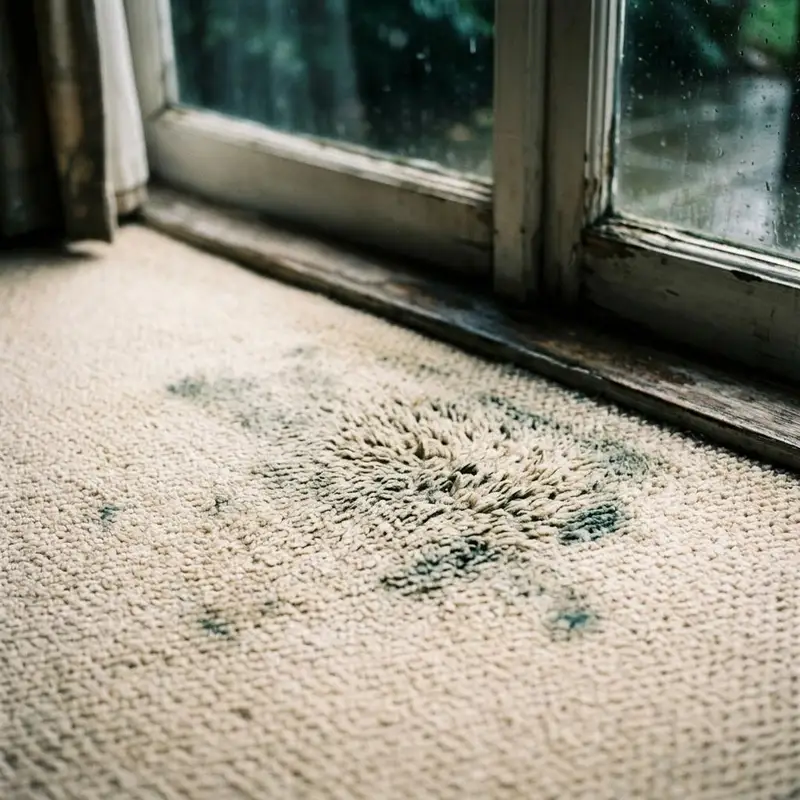
Moisture issues are the main cause. Leaky pipes, high humidity, flooding, or even a damp basement slab can keep the carpet wet long enough for mold to take hold. Once it starts, it spreads fast. A small spot can double in size within a day or two if the conditions stay right.
Assess the Damage Before You Start
Before you decide how to remove mold from carpet, you need to know what you are dealing with. If the mold covers an area smaller than a few square feet and the carpet has not been wet for more than 48 hours, you can probably handle it with household supplies. If the patch is larger or the carpet has been damp for days, the mold may have reached the padding or the subfloor. In that case, cutting out the affected section and replacing it is often the smarter move.
You also want to consider the type of carpet. Loop carpets like Berber hold moisture in the loops and are harder to dry completely. Thick plush carpets trap water in the pile. If the carpet is old or already worn, the cost of cleaning might not be worth the effort. A mold inspection can help you decide. Some companies offer a simple visual check, but a professional mold inspector will use moisture meters and air sampling to find hidden mold you cannot see.
Safety First: Protect Yourself
Mold spores can cause allergic reactions, respiratory issues, and skin irritation. If you have a mold allergy, even a small cleanup can trigger sneezing, coughing, or worse. Wear an N95 respirator, goggles, and gloves. Open windows if you can, and run a fan to push air outside. Do not use a regular vacuum cleaner on dry mold spores, because the vacuum will blow them into the air. You need a HEPA vacuum for that job.
DIY Methods That Actually Work
For small patches of surface mold, you can try a few common household products. Each has its own strengths and weaknesses.
White Vinegar
White vinegar is a mild acid that kills many types of mold. Spray undiluted white vinegar onto the affected area, let it sit for an hour, then blot it dry with a clean cloth. Vinegar is safe on most synthetic carpets, but it can fade some dyes, so test a hidden spot first. The smell fades as it dries. Vinegar is not effective against all mold species, but it works well on common household molds like Aspergillus and Penicillium.
Baking Soda
Baking soda absorbs moisture and helps deodorize the carpet. Sprinkle a generous layer over the moldy area, let it sit overnight, then vacuum it up with a HEPA vacuum. For tougher spots, mix baking soda with a little water to make a paste, apply it, let it dry, and vacuum. Baking soda is gentle and safe for most carpets, but it is not a strong mold killer. It works best as a first step to dry out the area before using another product.
Hydrogen Peroxide
Hydrogen peroxide (3 percent solution) is a good disinfectant. Spray it on the moldy carpet, let it bubble for about ten minutes, then blot it up. It can lighten some carpet colors, so test it in an inconspicuous spot. Hydrogen peroxide breaks down into water and oxygen, so it leaves no chemical residue. It is especially useful on light-colored carpets where you can see the stain.
Borax
Borax is a natural mineral that kills mold and inhibits its growth. Mix one cup of borax with one gallon of hot water. Scrub the solution into the carpet with a stiff brush, let it sit for at least 30 minutes, then blot up the excess moisture. Do not rinse it off; the borax residue will help prevent mold from coming back. Borax is more alkaline than vinegar and works well on stubborn patches.
Tea Tree Oil or Grapeseed Extract
If you prefer a natural option, tea tree oil is a powerful antifungal. Mix one teaspoon of tea tree oil with one cup of water in a spray bottle. Shake well and spray the moldy area. Let it dry without rinsing. The smell is strong but fades over time. Grapeseed extract works similarly and has a milder scent. Both are safe on most carpets but can be pricey for large areas.
What About Bleach?
Bleach is often the first thing people reach for, but it is not a good choice for carpet mold. Bleach does not penetrate porous materials like carpet fibers and padding. It kills surface mold but leaves the roots alive, so the mold grows back. Bleach can also weaken carpet fibers and discolor them permanently. The EPA guidelines for mold remediation generally recommend against using bleach on porous surfaces. Stick to vinegar, hydrogen peroxide, or borax for carpet.
Step-by-Step Cleanup Process
Once you have chosen your cleaning agent, follow these steps:
- Vacuum the dry carpet with a HEPA vacuum to remove loose spores and dust. Empty the canister or bag outside.
- Apply your chosen cleaner to the moldy area. Work from the edges inward to avoid spreading spores.
- Scrub gently with a stiff brush. Do not soak the carpet; you want to avoid pushing water into the padding.
- Let the solution sit for the recommended time, usually 15 to 60 minutes.
- Blot up the moisture with clean towels. Press down firmly to pull out as much liquid as possible.
- Dry the area completely. Open windows, run fans, or use a dehumidifier. Do not put the furniture back until the carpet is bone dry.
If the smell persists after drying, sprinkle baking soda over the area, leave it overnight, and vacuum it up. For lingering moisture issues, a dehumidifier running for a few days can keep the carpet dry while the mold dies off.
When to Bring in a Professional
Some situations are too big for DIY. If the mold covers more than a few square feet, or if you suspect hidden mold under the carpet or in the subfloor, professional mold removal is the safer choice. Pros have industrial-grade HEPA vacuums, commercial steam cleaners, and antimicrobial treatments that penetrate deep into the padding. They can also perform a mold inspection to find all the affected areas. In cases where the carpet padding is saturated, they might recommend removing the carpet entirely and treating the subfloor.
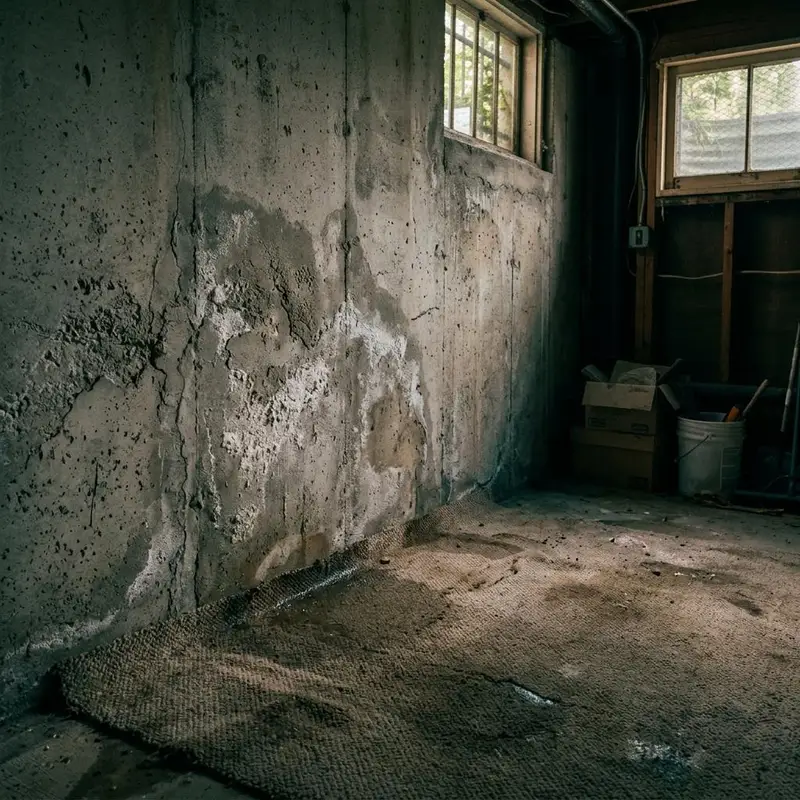
Basement carpet is a common problem because concrete slabs stay cool and can wick moisture from the ground. If your basement carpet has mold, it is worth having a professional check the slab for moisture issues before you install new carpet. Otherwise, you will just end up with the same problem a year later.
Can You Use a Carpet Cleaning Machine?
Many people ask if they can use a carpet cleaning machine to remove mold from carpet. The answer is yes, but with caution. A standard rental machine uses hot water and detergent, which can actually spread mold spores if you do not use the right solution. Add a mold-killing additive like white vinegar or a commercial product designed for mold. Run the machine over the area, then immediately extract as much water as possible. Follow up with fans and a dehumidifier to dry the carpet fast. If the carpet stays damp for more than 24 hours after cleaning, the mold will grow back.
A steam cleaner can also kill mold with high heat, but steam adds moisture. Use a steam cleaner only if you can dry the carpet completely afterward. For large areas, a professional steam cleaner with an industrial extractor is more effective than a home unit.
Long-Term Prevention
Once you have dealt with the mold, keep it from coming back. Fix any leaks in pipes, roofs, or windows. Improve ventilation in damp rooms. Run a dehumidifier in basements and crawl spaces, aiming for humidity below 50 percent. Vacuum regularly with a HEPA vacuum to remove spores before they settle. If you have a history of moisture issues in a particular room, consider replacing carpet with tile or vinyl flooring. Carpet is cozy, but it is not the best choice for areas prone to dampness.
Mold inspection every year or two can catch problems early. A quick check under furniture and in closets can reveal hidden mold before it spreads. If you notice a musty smell, act fast. Mold does not wait, and neither should you.
Learning how to remove mold from carpet is a skill that saves money and protects your health. With the right tools and a little patience, you can clean small patches yourself. For bigger problems, call in the pros. Either way, the key is to act quickly and dry everything thoroughly. Mold thrives on neglect. Deny it moisture and air, and it has no chance.